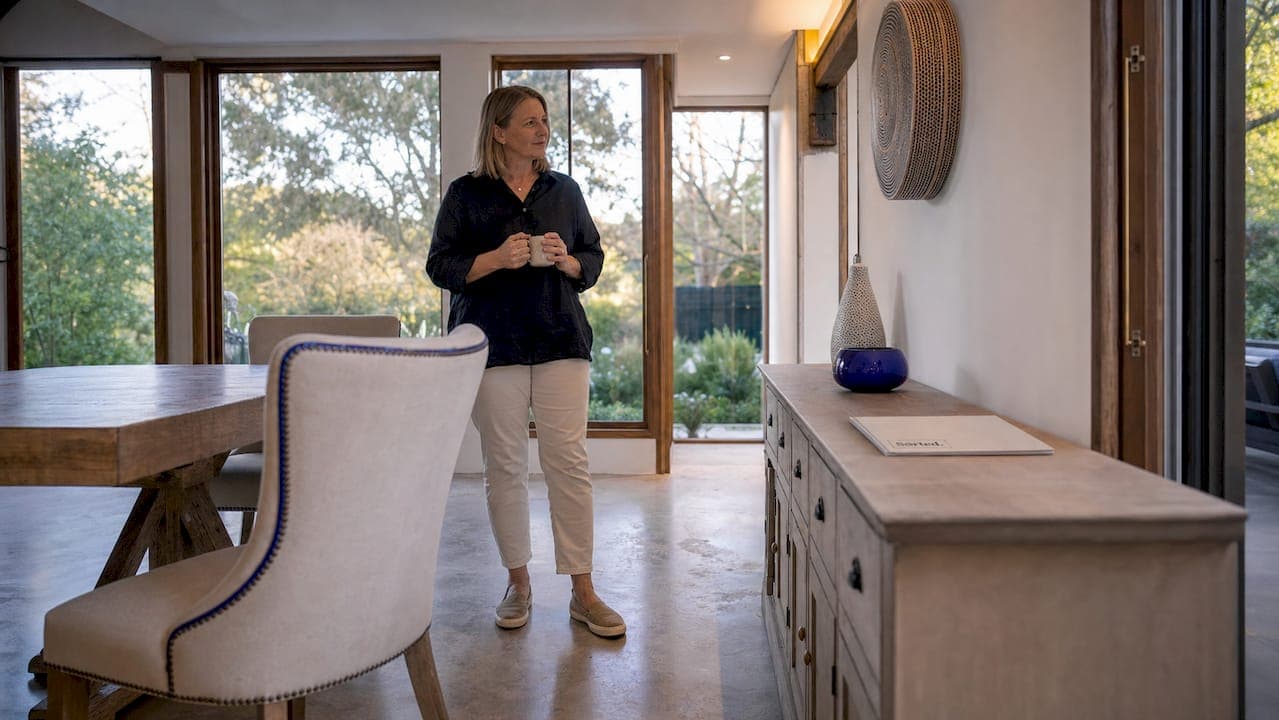
House renovations before and after NZ projects are defined as the documented transformation of a property from its original condition to a completed, improved state, covering both visual and functional changes. Auckland homeowners are increasingly using before-and-after comparisons to plan projects with clear outcomes in mind. The best results come from renovations that combine good design, realistic budgets, and full compliance with the New Zealand Building Code. Sortedhomesolutions manages this entire process, from first concept through to final inspection, so you get the result you want without the stress.
1. What are inspiring NZ house renovation before and after examples?
New Zealand home makeover before and after stories span everything from a fresh coat of paint to full structural rebuilds. The most compelling house transformation examples share one thing: a clear gap between the starting point and the finished result.
Popular NZ home types that appear in renovation success stories include:
- Weatherboard bungalows from the 1920s and 1930s, often updated with open-plan living, new joinery, and modern kitchens while keeping their character facades
- 60s and 70s brick-and-tile suburban homes, frequently reconfigured to improve natural light and flow between indoor and outdoor spaces
- Post-war state houses, transformed through bathroom and kitchen upgrades, insulation improvements, and exterior reclads
- Split-level homes, where structural changes open up previously disconnected living zones into cohesive, functional spaces
The design styles driving the best renovations in New Zealand right now lean towards timeless rather than trendy. Neutral palettes, natural timber accents, and clean lines photograph well and hold their appeal at resale. Architectural renovations that respect the original form of the home while modernising the interior tend to produce the strongest before-and-after contrasts.
You can browse real NZ renovation projects to see how different home types respond to different approaches.
2. What are the key stages and consent requirements for NZ house renovations?
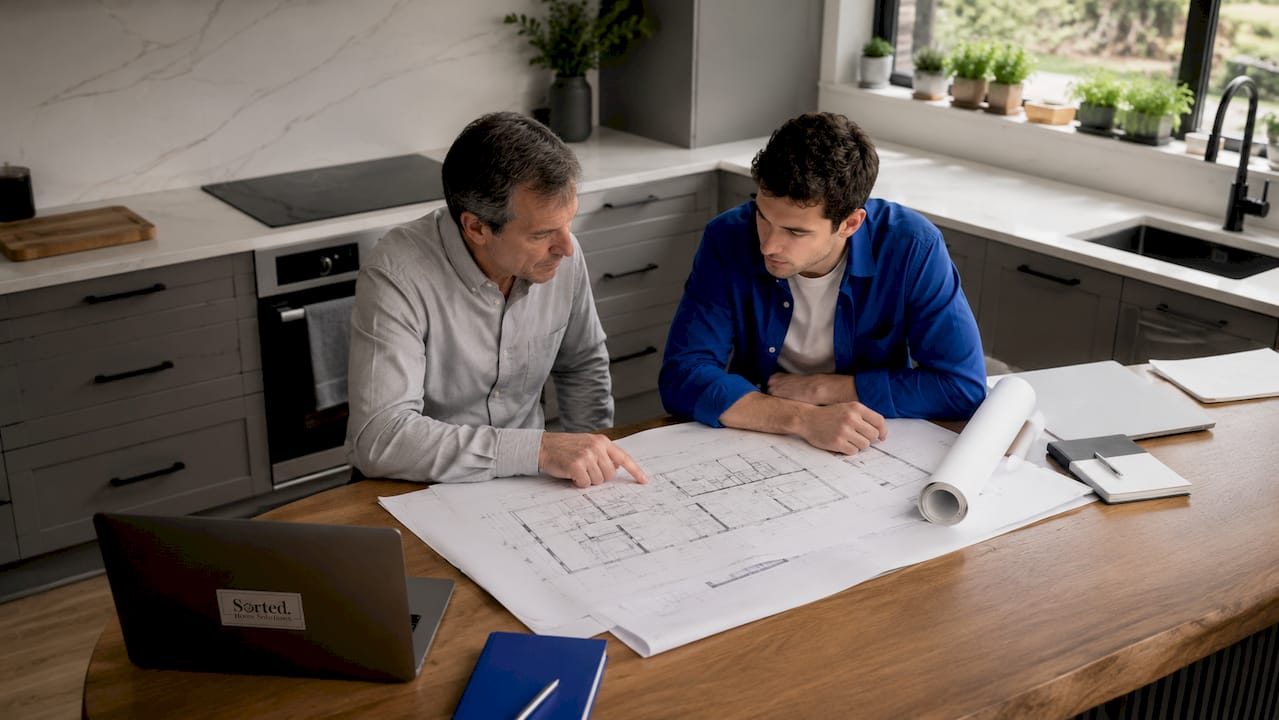
The renovation process in New Zealand follows five defined stages: concept and feasibility, detailed design, consents and approvals, construction, and final inspections with a Code Compliance Certificate (CCC). Skipping or rushing any stage creates problems that surface later, often at the worst possible time.
Here is how each stage works in practice:
- Concept and feasibility — Clarify what you want to achieve and whether it is structurally and financially realistic before spending money on design.
- Detailed design — Engage an architect or designer to produce drawings that meet NZ Building Code requirements.
- Consents and approvals — Submit your application to your local council. Building consent is required for most renovations involving structural changes, plumbing layout alterations, or work affecting weathertightness.
- Construction — Work begins once consent is granted. Inspections occur at key milestones throughout the build.
- Final inspection and CCC — The council inspects the completed work. Failure to obtain the CCC can cause legal and insurance problems when you sell the property later.
Councils must process complete building consent applications within 20 working days on average. That clock stops whenever the council issues a Request for Information (RFI). RFI responses pause the processing clock until you reply, which is why many homeowners underestimate the total consent timeline. Allow at least four to six weeks beyond the standard 20 days as a buffer.
Pro Tip: Submit your consent application with complete, accurate documentation the first time. Every RFI adds weeks to your timeline and delays your construction start date.
Understanding which consent agencies operate in your area is also useful. The top building consent agencies vary by region, and some offer faster turnaround than others for specific project types.
3. What are the typical costs and budgeting tips for NZ house renovations?
Affordable renovations in NZ require a realistic budget set before any work begins. Typical mid-range full house renovation costs in New Zealand range from $130,000 to $190,000, with kitchens and bathrooms consistently the most expensive areas.
| Renovation area | Approximate cost range (NZD) |
|---|---|
| Full house renovation | $130,000–$190,000 |
| Kitchen renovation | $20,000–$60,000 |
| Bathroom renovation | $15,000–$35,000 |
| Flooring (whole house) | $8,000–$20,000 |
| Interior painting | $5,000–$15,000 |
| Electrical rewiring | $10,000–$25,000 |
These figures cover materials and labour but do not include council consent fees, skip hire, temporary accommodation, or specialist reports. Budget for those separately.
More than half of renovation projects in New Zealand run over budget. The primary causes are poor planning, scope creep, and missing contingencies. A detailed renovation plan with a minimum 20% contingency built in is the single most effective way to protect your budget.
Pro Tip: Lock in your material selections before construction starts. Changing tiles, cabinetry, or fixtures mid-build is one of the fastest ways to blow your budget and delay your timeline.
Use a renovation cost calculator to model your specific project before committing to a scope of work. Fixed-price contracts also protect you from cost blowouts caused by hourly rate variations.
4. How to incorporate design and practical considerations for NZ renovations
Good design balances personal taste with long-term property value. The home improvement before and after results that hold up best at resale are those where the design choices appeal broadly, not just to the current owner.
Key considerations for NZ homeowners planning a renovation:
- Align your aesthetic with your suburb. A high-end architectural renovation in a modest street may not return its full cost at sale. Research comparable sales in your area before committing to a premium finish level.
- Improve insulation and energy efficiency during the build. NZ renovations benefit significantly from insulation upgrades completed during construction, when walls and floors are already open. Skipping this step is a missed opportunity that is expensive to fix later.
- Get a structural inspection before finalising your design. Hidden issues in older NZ homes, including subfloor rot, leaky cladding, and outdated wiring, change both the scope and the cost of a project significantly.
- Use Licensed Building Practitioners for restricted work. Structural, foundation, roofing, and weathertight work must be carried out or supervised by Licensed Building Practitioners (LBPs). Using unlicensed trades for this work voids your consent and creates liability.
- Separate must-haves from nice-to-haves in writing. Scope creep is the primary cause of budget overruns and delays. Defining your priorities before work starts keeps the project on track.
Choosing the right trades matters as much as choosing the right design. Auckland renovation companies vary widely in their capacity to manage complex, multi-trade projects from start to finish.
Key takeaways
Successful NZ house renovations require a clear plan, a realistic budget with contingency, full building consent compliance, and Licensed Building Practitioners for restricted work.
| Point | Details |
|---|---|
| Budget with contingency | Set aside at least 20% above your base estimate to cover unexpected costs. |
| Obtain building consent early | Submit a complete application to avoid RFI delays that pause the council clock. |
| Get a CCC after construction | Missing the Code Compliance Certificate creates legal and sale problems later. |
| Use Licensed Building Practitioners | Structural and weathertight work legally requires LBP supervision in New Zealand. |
| Lock in materials before build starts | Changing selections mid-project is a leading cause of cost overruns and delays. |
What I have learned from watching NZ renovations go right and wrong
The projects that deliver the best before-and-after results are rarely the ones with the biggest budgets. They are the ones where the homeowner made decisions early and stuck to them. I have seen $400,000 renovations fall apart because the scope kept expanding, and I have seen $60,000 projects produce genuinely impressive results because the brief was tight and the trades were coordinated.
The consent process trips up more homeowners than any other single factor. People assume 20 working days means four weeks. It does not, once you account for RFIs and public holidays. Starting the consent process three to four months before your intended build start is not overcautious. It is realistic.
The other thing I would push back on is the idea that design and compliance are separate conversations. The best renovation project management treats them as one. Your designer needs to know what your LBP can build, and your LBP needs to understand what your designer intends. When those two conversations happen in the same room, projects move faster and finish cleaner.
Finally, insulation is the renovation upgrade that homeowners most consistently wish they had done more of. It is invisible once the walls are closed, but you feel it every winter and every power bill. If your walls are open, do it properly.
— Rudi
How Sortedhomesolutions can help with your Auckland renovation
Sortedhomesolutions handles Auckland renovations from first concept through to final sign-off, with all trades coordinated under one team. You do not need to manage separate electricians, builders, and tilers. Sortedhomesolutions does that for you.

Whether you are planning a kitchen and bathroom upgrade or a full house renovation, the kitchen and bathroom pricing guide gives you a clear starting point for your budget. For a full project scope, the renovation project management guide walks you through every stage from design to CCC. When you are ready to talk specifics, get in touch with the team directly. All trades, one team, sorted.
FAQ
What triggers building consent for a NZ house renovation?
Building consent is required for structural changes, plumbing layout alterations, roofing work, and anything affecting weathertightness. Minor cosmetic work such as painting and replacing like-for-like fixtures generally does not require consent.
How long does building consent take in New Zealand?
Councils must process complete applications within 20 working days, but Requests for Information pause this clock. Allow four to six weeks beyond the standard timeframe as a realistic buffer.
What is a Code Compliance Certificate and why does it matter?
A Code Compliance Certificate confirms that construction was completed in accordance with the approved consent. Missing it creates legal problems and can delay or block a property sale.
How much does a full house renovation cost in NZ?
Mid-range full house renovations in New Zealand typically cost between $130,000 and $190,000. Kitchens and bathrooms are the most expensive individual areas within that total.
What is scope creep and how do I avoid it?
Scope creep is the gradual addition of tasks during a build that were not in the original plan. Avoid it by listing must-haves and nice-to-haves in writing before work starts, and reviewing any additions against your contingency budget before approving them.